

Actualidad · IA
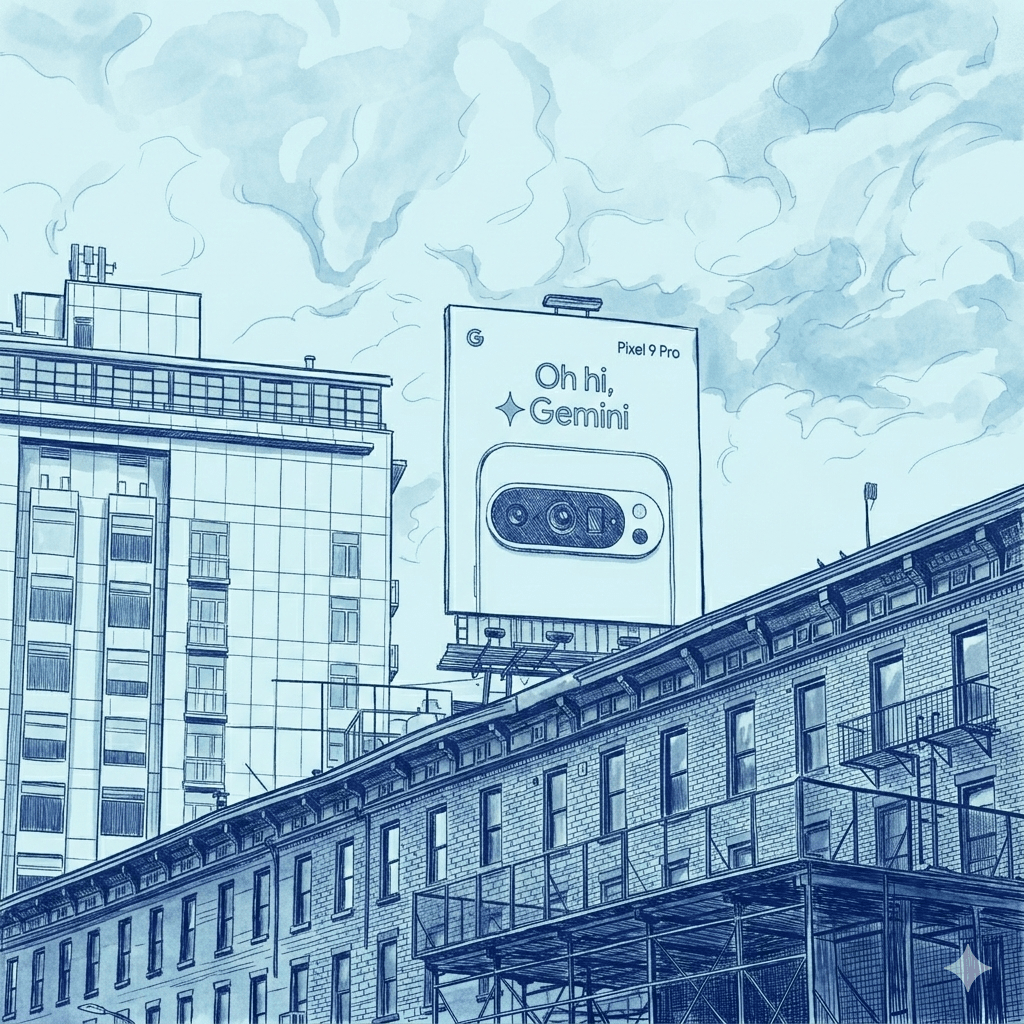
Not long ago, an EL PAÍS – Ideas piece pointed to the direction of travel: Google is shifting from showing you sources to handing you an answer — a Gemini-generated summary placed above everything else. That isn’t a UI tweak. It’s a power shift.
For two decades, search worked like a messy marketplace: many voices, ranked, competing, disagreeing. Now we’re moving towards a model that increasingly delivers one “best” version — assembled by a system that decides what makes the cut, what gets trimmed, and what never gets seen at all.
A step towards the flattening of knowledge
As the article notes, thinkers such as Jorge Carrión and Franco “Bifo” Berardi warn that swapping multiplicity for a single answer risks shrinking the diversity of ideas — a kind of “information monotheism”.
If AI gives you a neat, confident answer, the temptation is to stop there. No scrolling. No checking. No friction. And when we outsource that extra step often enough, our thinking starts to narrow too.
The shift has started — and it isn’t just Google
The data already hints at the impact. Pew’s analysis found that when an AI summary appears, users click a traditional result link far less often — 8% of visits, versus 15% when there’s no AI summary. And people almost never click the links inside the AI summary itself — about 1% of visits.
Meanwhile, AI search tools are taking a real slice of behaviour: by mid-2025, AI searches accounted for about 5.6% of US desktop search traffic, more than double the year before, as reported by Similarweb.
What this means for businesses and creators
This rewrites the rules of visibility. It’s no longer enough to “rank well”. You have to become quotable — the source the model pulls from, trusts, and is willing to name.
At Deslumbra IA, we help brands adapt to this new landscape, shaping content so AI can understand it and reuse it. And we’ll say it plainly: there are real risks too — bias, black-box sourcing, and a growing dependence on tech.
Between efficiency and risk
There’s no denying AI makes many tasks — and many searches — quicker. It saves time and reduces the mental load. But as the article reminds us, convenience comes with a trade-off. The easier information is to access, the less effort we put into properly understanding it. And when that becomes the norm, critical thinking starts to lose ground.
Adapt?
Both individuals and businesses have to adapt as well as they can to the world around them — or try to change it, where possible. But AI, by all accounts, is here to stay. And if Google search has been a dependable source of customers for many businesses, that stream is likely to keep shrinking.
So I’ll ask again: are we genuinely ready to live in a world of one answer?